


What is Nurse Call System?
Nurse call systems are critical for many different types of healthcare facilities, from hospitals and nursing homes to long-term care facilities. Today’s systems are incredibly advanced and offer functionality that can help you provide superior care to your patients. If you have older systems, now may be the perfect time to upgrade.
Why Choose Us
Our Product
Waiter call system; Guest queue system; Nurse call system; Intercom system; Tour guide system etc.
Our Service
We place great value on our customers and strive to provide them with the highest level of service and support. Whether it is during pre-sales, sales, or after-sales, we are committed to meeting and exceeding our customers' expectations in every way possible.
Main Market
Our company's main sales areas are in Europe and North America, and our products are distributed in more than 80 countries and regions around the world.
Our Factory
The company is located in Chongqing, covers an area of 1200 square meters,has 2 production lines, more than 50 employees, to ensure high quality products and efficient service.

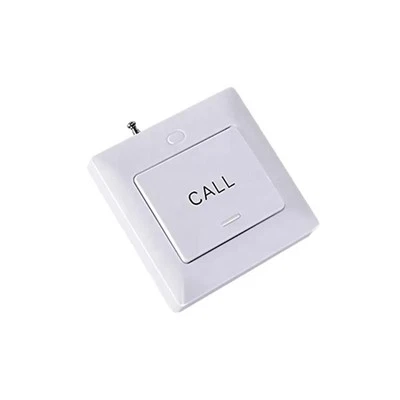
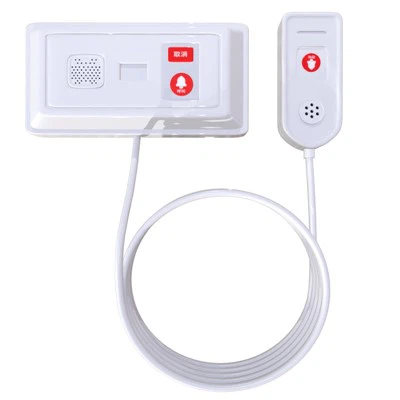
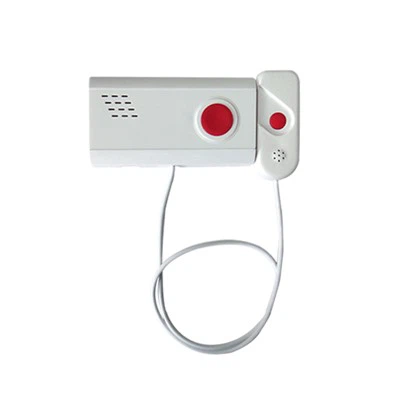

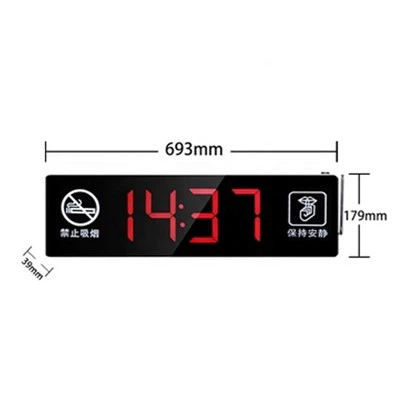


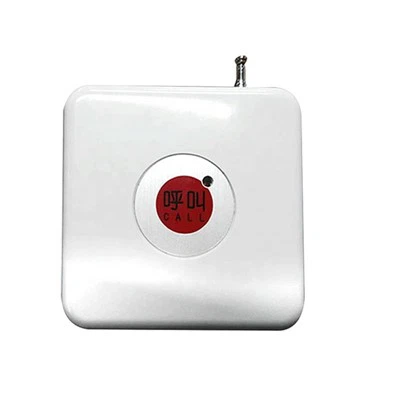


Common Elements of a Nurse Call System
Dome Light/Corridor Light
The dome light is typically located outside of patient and staff areas to provide a visual indication of calls originating from the bedside, bathroom, and code stations as well as service requirements and staff presence.
Patient Station
The Patient Station gives healthcare professionals the ability to communicate directly with residents and hear their needs, which eliminates the unnecessary trips back and forth to patient rooms while maximizing their time. These stations are typically installed in resident rooms by the bedside and can also be used as a wiring hub to monitor medical equipment at the assigned device or console.
Pillow Speaker
The pillow speaker is at the centre of the patient room experience as it gives patients access to their nurses, entertainment, and control of their environment. When the pillow speaker is plugged into the patient station, the nurse call intercom audio can be transferred to the pillow speaker which will simultaneously mute the TV audio.
Call Cord
The call cord is used in conjunction with the patient station. The call cord is plugged into the pillow speaker jack on the patient station and provides a unique call-in priority that is customizable based on facility needs. When the call cord button is pressed, a clear ring around the button illuminates to indicate that a call has been placed.
Nurse Console
The nurse console is typically located at the local nursing station or any place where staff receive calls. The console receives all calls that are placed within the ward and allow for direction with your residents to hear their needs as well as allowing staff to start workflows on behalf of the patient.
Code Station
The code station is a push button station providing the ability to place a code call. Using special buttons, these stations can be customized for unique call-ins such as “Code Blue”, “Code Pink”, etc. The code stations are connected to the associated corridor light and are supervised for station presence. Through programming, a trouble message can annunciate at the associated console when the station is removed from the system.
Bathroom Station
Bath and shower stations are water-resistant pull cords that are activated when pulled. Having these stations installed in bathrooms gives your patients dignity and gives you the ability to speak to the resident if they have taken a fall or if there is an emergency.
Common Features Of Nurse Call Systems
Pillow speaker (or call light)
This allows the patient to contact the nurse, as well as control the TV and overbed lights. Alternative breathe calls (for patients with limited movement or paralysis) can be plugged into the wall station; these let the patient contact the nurse simply by inhaling or exhaling into a particular tube.
01
Wall station
This contains the microphone and speaker for communication between the nurse and patient. It also contains the code blue button and is the receptacle for the pillow speaker. IV pumps or ventilators can be connected to the nurse call station via the wall station, allowing alerts at the nurses stations whenever the connected equipment goes into alarm. This notifies the nurse to any equipment alarms more quickly than otherwise possible.
02
Bed cable
It allows the patient bed to be connected to the wall station. When the bed alarm is set, this allows the staff to know if a patient that shouldn’t exit the bed is attempting to exit. It can also allow a patient to call the nurse’s station via a button on the bed rail.
03
Desk console
The desk console is like a telephone (and looks very similar to a telephone); it allows the unit secretary or nurse to answer call from the patient or call into the patient’s room whenever necessary.
04
Code blue
Code blue signifies a patient in need of immediate help. If a staff member presses the code blue button a group of alerts go off at the nurse’s station, as well as inside and outside of the room (and anywhere else where the nurse call system is set up to alert).
05
Types of nurse call systems
Wired systems
Wired nurse call systems are hardwired into the building’s infrastructure. This type of system is typically the most reliable but can also be the most expensive to install. Wired systems are suitable for larger facilities that require a high level of reliability.
Wireless systems
Wireless nurse call systems use radio signals to communicate between the patient’s room and the caregiver’s device or the nurse station. This type of system is more flexible than wired systems and can be less expensive to install. However, wireless systems can be less reliable than wired systems and may be susceptible to interference from other wireless devices.
Hybrid systems
Hybrid nurse call systems combine wired and wireless technology, offering the benefits of both types of systems. This type of system can be highly customizable and is suitable for facilities that require a mix of wired and wireless technology.
Benefits of Nurse Call Systems
Communication is instant, and response times are faster – How long would it take to find a patient who had fallen during a standard rounds schedule? How long would it take for a nurse to arrive to check on a patient if they became ill unexpectedly? Nurse call systems provide patients with access to quick, timely care, which is especially important in life-or-death circumstances where reaction time determines the odds.
Improved patient satisfaction – The lowering of patient wait times is a significant benefit that nurse call systems provide to healthcare facilities around the country. Patients do not have to wait as long for an examination room or treatment in their assisted living apartments since communication between staff and patients has been streamlined.
Better workflow and lesser interruptions – A well-optimized workflow reduces possible losses in time, expertise, and money. With an intelligent nurse call system, all information is promptly recorded, accessible with a single touch, and transmitted among medical personnel. There are fewer disruptions in the healthcare processes since it provides rapid and timely patient care. It aids nurses in staying organized and focused on patient care rather than distractions.
Fulfilled staff. Contented patients – Sufficient, competent, and efficient patient care leads to happier, more comfortable patients who are more likely to recover faster. Nurse call systems improve treatment, boost productivity, and reduce stress in hospitals and other healthcare facilities. These smart solutions are simple to use, which aids in the smooth and effective operation of medical duties.
How does a nurse call system work?
A nurse call system typically consists of two main components: A call button or pull cord in the patient’s room and a receiver at the caregiver’s station or on their mobile device. When a patient requires assistance, they press the call button or pull the cord, which sends an alert to the caregiver.
The alert can be in the form of a visual or audible signal, depending on the system. Caregivers can then view the alert on their device or at the nurse station and respond accordingly.
Many nurse call systems also include features such as customizable call types, prioritization, and escalation procedures. These features allow healthcare providers to ensure that urgent calls are responded to quickly and that patients receive the appropriate level of care.
Nurse call systems can also be integrated with other healthcare systems, such as electronic medical records (EMRs), patient monitoring systems, and security systems. This integration enables caregivers to have a complete view of patient care and improve workflow efficiency.

Nurse Call Systems Provide Instant Communication
Suppose a patient fell or became ill unexpectedly. A nurse call system ensures that patients have immediate care and response times. This expediency is critical in life-threatening circumstances where time is of the essence.
Happier Patients
Decreased patient wait times are another advantage that nurse call systems offer. Hospital wait times can be notoriously long, aiding in frustration. Nurse call systems streamline communication between patients and staff. Therefore, patients don’t have to wait as long for an examination room or treatment in their assisted living apartments. As a result, patient satisfaction will increase.
Improved Workflow And Fewer Interruptions
An organized workflow aids medical staff in productivity. An excellent nurse call system can reduce time, expertise, and money losses. A nurse call system promptly records information that is accessible with one touch and transmits it to medical professionals. Nurse call systems providing timely patient care leads to fewer interruptions. Nurses can stay less distracted and focus on patient care.
Satisfied Staff And Untroubled Patients
When your medical facility runs smoothly and has high-quality patient care, it increases patient satisfaction. The end goal is to ensure that patients trust the care they’ll receive in your healthcare establishment. Efficient systems lead to trustworthy, happy patients who recover faster. Nurse call systems enhance treatment, increase productivity, and decrease stress in all medical facilities. In addition, a nurse call system is user-friendly, aiding in the smooth and efficient operation of medical duties.
The Crucial Role Of Nurse Call Systems For Patient Safety
Prompt Response To Emergencies
Nurse call systems enable patients to request immediate assistance in emergency situations. Whether it's a sudden change in health condition, a fall, or any other urgent matter, patients can activate the call system to alert nurses or caregivers. This prompt response to emergencies is crucial in preventing further harm or complications, ensuring timely intervention, and improving patient outcomes.
Fall Prevention and Response
Falls are a significant concern in healthcare facilities, especially among elderly or vulnerable patients. Nurse call systems can help mitigate fall risks by providing patients with a means to call for help when they need to move or use the bathroom. Additionally, if a patient experiences a fall, they can quickly alert the nursing staff for immediate assistance, minimizing the time between the incident and receiving medical attention.
Timely Medication Administration
Nurse call systems facilitate timely medication administration, contributing to patient safety. Patients can use the system to request medication reminders or to notify nurses when it's time for their medications. This ensures that medications are administered on schedule, reducing the risk of missed doses or errors and enhancing patient safety and medication adherence.
Prevention of Patient-Wandering
In healthcare settings, patients with cognitive impairments or conditions such as dementia may wander and put themselves at risk. Nurse call systems can include wander management features that alert staff if a patient moves beyond a specified boundary or enters a restricted area. These systems help prevent patient-wandering incidents, ensuring their safety and providing peace of mind to patients and their families.
Infection Control and Isolation
Nurse call systems can assist in infection control efforts by enabling patients in isolation or quarantine to communicate with healthcare providers without the need for physical contact. Patients can request assistance, ask questions, or provide updates on their condition through the call system, reducing the risk of disease transmission and enhancing infection control protocols.
Communication and Emotional Support
Nurse call systems go beyond physical safety and contribute to patients' emotional well-being. Patients can use the system to communicate their concerns, express their needs, or seek emotional support. The ability to connect with healthcare providers promptly can alleviate anxiety, provide reassurance, and enhance patient satisfaction, promoting a positive care experience.
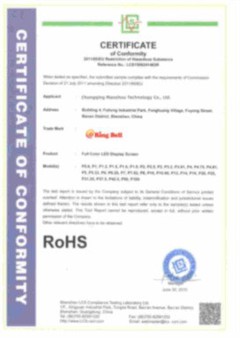
Certifications



Our Factory
Chongqing Maozhou Technology Co., Ltd. is a professional manufacturer engaged in the research and development, production, sales and service of wireless call system. The company is located in Chongqing, covers an area of 1200 square meters,has 2 production lines, more than 50 employees, to ensure high quality products and efficient service. All our products meet international quality standards and are greatly appreciated in a variety of different markets around the world. The main products are: restaurant guest paging system, hospital nurse paging system, meal call number system, floor and lift paging system, factory and other single call button (transmitter), receiver and so on. In addition, we also provide OEM and ODM services and other complete wireless calling solutions. We believe that scientific management, superb technology, strict quality control, considerate service is our core advantage. We look forward to your contact and cooperation!

FAQ
We're well-known as one of the leading nurse call system manufacturers and suppliers in China. Please feel free to buy high-grade nurse call system for sale here from our factory. All customized products are with high quality and competitive price.
restaurant button, Signal strengthen, button screen